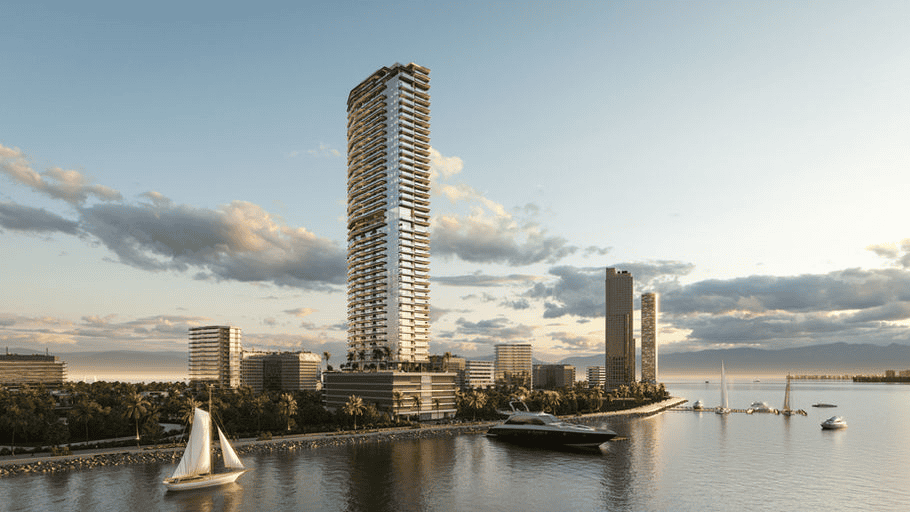
Turning an architectural idea into a detailed visual takes skill, time, and powerful software. High-end 3D rendering services give architects, developers, and designers polished visuals without requiring an in-house production team. The final price varies based on project details, image quality, deadlines, and revisions. Finding the best 3D rendering company mid-process helps maintain quality while keeping spending under control.
Project size and complexity
Large projects usually require a larger budget. A single room takes less work than an entire commercial property with several floors, exterior areas, landscaping, furniture, and detailed surroundings. Complex designs also require extra modeling time, which affects the final quote.
Level of visual detail
High-end visuals include detailed textures, realistic materials, refined furniture, accurate reflections, natural shadows, and strong lighting. Each added detail takes production time. Clients who request highly realistic visuals usually receive a higher estimate than those seeking simple presentation images.
Number of rendered views
The number of images also affects the total cost. One exterior view has a different price from a package containing exterior, interior, aerial, and close-up scenes. Multiple views also require additional camera setup, lighting adjustments, and image processing.
3d modeling requirements
Some clients provide complete 3D models, while others send drawings, CAD files, or basic concepts. When the rendering team builds the model from scratch, the project includes modeling costs. Detailed furniture, fixtures, architectural elements, and custom objects add further production hours.
Resolution and output quality
High-resolution images require additional rendering power and processing time. Images intended for large billboards or print campaigns usually require higher resolutions than visuals used on websites or social media. Clients should select output quality based on the final purpose to avoid unnecessary expenses.
Deadline and project schedule
Urgent projects may involve higher charges because the studio assigns extra resources or adjusts its production schedule. A standard timeline usually gives artists enough time for modeling, materials, lighting, rendering, and revisions. Discussing the deadline at the start helps avoid unexpected costs.
Revision and editing charges
Revision policies vary between studios. Some packages include a fixed number of revisions, while additional changes receive separate charges. Large design changes after approval may also increase the final bill. Clear feedback helps reduce repeated edits and keeps production efficient.